
Bangkok Suit Tailor: How To Get A Perfect Custom Suit In Thailand’s Style Capital
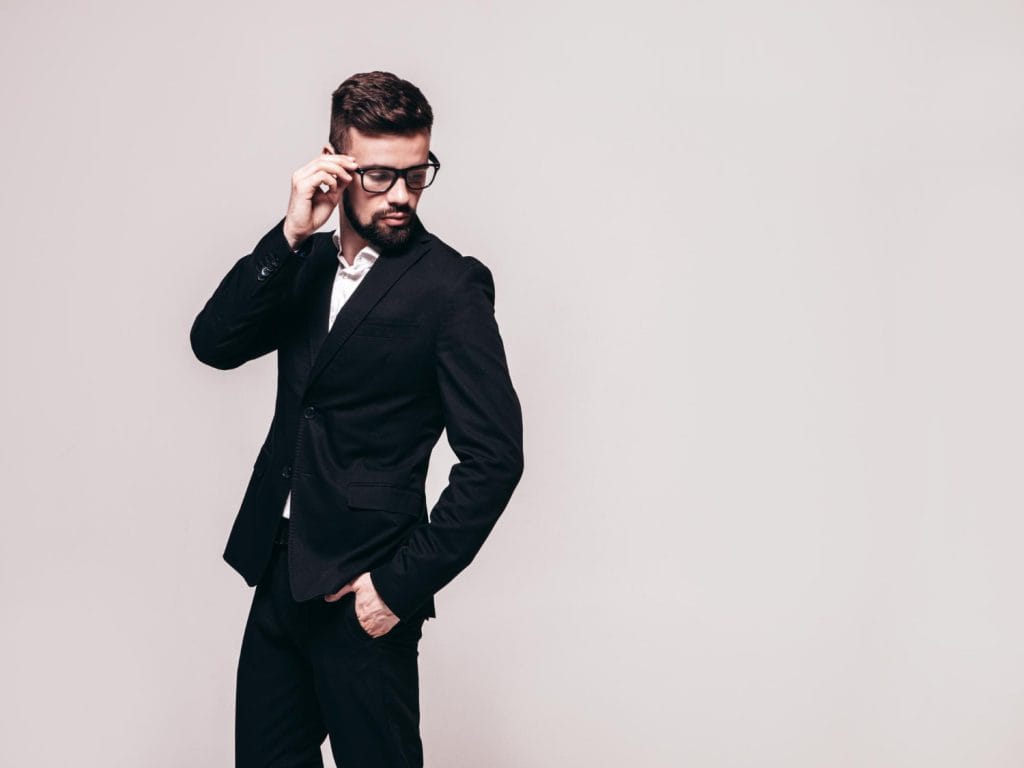
If we typed “Bangkok suit tailor” into a search bar, it’s probably because we’ve heard the stories: sharp custom suits, fast turnaround, and prices that seem almost too good to be true.
Bangkok really is one of the world’s hot spots for tailoring, but it’s also a place where quality ranges from incredible to “wish-we’d-never-bought-that.” To walk away with a suit that actually fits, lasts, and looks like a million baht (without costing it), we need to understand how the tailoring scene works, how to choose the right shop, and how to navigate the process.
In this guide, we’ll walk through exactly how to find a reliable Bangkok suit tailor, what fabrics and styles make sense for the city’s heat, what the process should look like, and what we should realistically budget for a great custom suit.
Why Bangkok Is A World-Famous Destination For Custom Suits
Bangkok didn’t become a tailoring hub by accident. It sits at the crossroads of tourism, trade, and textiles, and that mix has shaped a unique suit-making ecosystem.
First, labor and operating costs are lower than in Western cities. That doesn’t mean we’re paying less for the same cheap suit, it means, if we choose well, we can often get higher craftsmanship for the same price we’d pay for off‑the‑rack back home.
Second, Bangkok has a long history of skilled migrant tailors, especially from India, Pakistan, and China, who brought with them traditional pattern‑making and hand‑finishing techniques. Many of the best Bangkok suit tailors are now second- or third‑generation family businesses that have refined their craft for decades.
Finally, tourism keeps standards competitive. Tailors near areas like Sukhumvit, Silom, and Asok serve a constant stream of business travelers and style‑conscious tourists. Reviews, word‑of‑mouth, and repeat customers force good shops to maintain quality, or disappear.
In short: when we understand how to spot the right shop, Bangkok is one of the best-value cities in the world for a sharp, custom suit.
Understanding Bangkok Tailoring: Off-The-Rack vs. Made-To-Measure vs. Bespoke
Before we walk into any Bangkok suit tailor, we should be clear on what we’re actually buying. Tailors will often throw terms around loosely, but there are real differences:
Off‑the‑rack
Some shops sell ready‑made suits and then tweak them:
- Minimal alterations (hem, waist, sleeve length).
- Limited fabric and style options.
- Fastest option, but fit is never truly custom.
Made‑to‑measure (MTM)
This is where most Bangkok tailors sit:
- A base pattern is adjusted to our measurements.
- We choose the fabric, lapels, buttons, lining, and some details.
- Usually 1–2 fittings, often within 2–4 days.
- Good balance of price, fit, and speed if the cutter is competent.
Bespoke
This is the top tier, and it’s rarer in tourist-heavy areas:
- Pattern drafted from scratch for our body.
- Multiple fittings (basted, forward, final).
- Careful shaping of chest, shoulders, and posture issues.
- Takes longer (often a week or more) and costs more, but the fit and longevity can be on another level.
Many shops call themselves “bespoke” but operate more like made‑to‑measure. We should always ask about pattern making, number of fittings, and construction methods rather than relying on the label.
How To Choose The Right Bangkok Suit Tailor
Choosing a Bangkok suit tailor isn’t about following the loudest sign or the most aggressive salesman on the sidewalk. It’s about evidence.
We want to see:
- Real in‑house work – Ask whether they cut patterns and sew jackets in‑house or outsource to a factory. Many good tailors still use local workshops, but they should control the quality and be honest about it.
- Sample jackets we can inspect – Look at stitching, buttonholes, lining clean‑ness, and how smoothly the lapels roll. A rough sample rarely hides a great finished product.
- Time spent on consultation – A serious tailor will ask about where we’ll wear the suit, our climate at home, our usual shoe and shirt styles, and whether we like more classic or trendy cuts.
- Straight answers on pricing – Prices should be clear by fabric tier, not invented on the spot because we walked in wearing a nice watch.
- Honest guidance, not just upselling – If a tailor warns us against unnecessary extras and steers us toward better value fabrics, that’s a good sign.
Reputable Locations And Neighborhoods For Bangkok Tailors
While great shops are scattered around the city, a few areas are known clusters:
- Sukhumvit (Asok–Nana) – High concentration of long‑established shops serving business travelers and expats. Good place to compare several tailors in walking distance.
- Silom / Saladaeng – Popular with office workers and visiting professionals. We’ll find more understated, business‑friendly styles here.
- Ploenchit / Chidlom – Higher‑end malls and quieter standalone shops with more premium fabric selections.
- Near riverfront hotels – A mix of tourist‑oriented and genuinely good family tailors: we just need to do our assignments.
Wherever we go, we should rely less on flyers shoved into our hands and more on a combination of recent reviews, detailed recommendations from frequent travelers, and our own inspection once we’re inside the shop.
Essential Suit Fabrics And Styles To Consider In Bangkok’s Climate
Bangkok is hot and humid almost year‑round. That doesn’t mean we can’t wear a suit comfortably, it just means fabric choice and construction matter more than anywhere else.
The Bangkok suit tailor we choose should guide us toward breathable fabrics and lighter constructions, not heavy, fused jackets that feel like armor.
Best Suit Cuts For Different Body Types
The “perfect” suit in Bangkok isn’t just about fabric: it’s about how the cut works with our body:
- Taller, slimmer builds – A slightly structured shoulder and moderate waist suppression help avoid a “coat hanger” look. Slim, not tight, trousers with a slight taper.
- Broader or athletic builds – Soft, natural shoulders and a gently nipped waist keep us from looking boxy. Side vents in the jacket help movement and avoid fabric pulling across the seat.
- Shorter builds – A slightly shorter jacket (but still covering the seat), higher button stance, and shorter trouser break all help elongate the leg line.
- Big and tall – We want longer jacket lines, slightly wider lapels, and a bit more room in the chest and thighs. Clean drape beats “spray‑on slim” every time.
A good tailor will subtly tweak lapel width, button stance, and jacket length based on our proportions, not just follow a one‑style‑fits‑all house pattern.
Choosing Breathable Fabrics For Heat And Humidity
In Bangkok’s climate, these fabrics usually make the most sense:
- Lightweight wool (Super 100s–120s) – The sweet spot. Breathable, resilient, and less prone to wrinkling. We should avoid ultra‑fine “Super 150s+” for everyday wear: they look delicate and age faster.
- Wool blends (wool–silk, wool–linen) – Great for slightly more relaxed or summer‑style suits. They drape well but may wrinkle more if linen content is high.
- Pure linen – Fantastic for hot weather, but intentionally wrinkly. Best for casual or resort‑style suits, not strict corporate offices.
- High‑twist wool – Engineered to breathe and resist wrinkles, ideal if we travel in suits.
We’ll also want:
- Half‑lined or quarter‑lined jackets for airflow (especially in the back and sides).
- Lighter canvassing or high‑quality fusing to avoid stiffness.
If a Bangkok suit tailor pushes only thick, shiny polyester because it’s “durable” and “easy care,” we should politely walk away.
Step-By-Step: What To Expect From The Tailoring Process
Knowing the process up front helps us plan our schedule, and spot when something feels rushed or off.
1. Initial consultation (30–60 minutes)
We discuss:
- Purpose of the suit (business, wedding, travel, multi‑use).
- Climate where we’ll mostly wear it.
- Style preferences (single vs. double‑breasted, lapel shape, vents, trouser style).
We choose fabric, lining, and basic design details. The tailor should also look at our posture, shoulder slope, and stance, not just measure our chest and waist.
2. Measurements & pattern work
Expect multiple body measurements and sometimes photos. For better shops, we’ll see notes about shoulder height differences, one arm slightly longer, or a forward head posture. Those details separate a sharp fit from a so‑so one.
3. First fitting
Depending on the shop and our timeline, this might be:
- A basted fitting (jacket loosely stitched together: best for near‑bespoke work), or
- A nearly finished garment with room left to tweak.
We should move around, sit, and reach forward. Any tightness across the shoulders or pulling at the button point needs to be fixed now, not later.
Timeline: How Many Days You Really Need In Bangkok
The marketing pitch of “24‑hour suits” is tempting, but rarely ideal. For a well‑fitted suit, we should aim for:
- Minimum: 3 days in Bangkok (consultation + 1 fitting + pick‑up/mini adjustments).
- Better: 4–5 days, allowing 2 fittings and a final check.
- Best: A full week if we’re doing multiple suits, shirts, or going near‑bespoke.
Can a Bangkok suit tailor physically produce something faster? Yes. But the shorter the timeline, the less room there is to correct issues.
Fittings, Adjustments, And Final Checks Before You Pay
By the final fitting, the suit should look and feel close to finished. Before we hand over the full payment and walk out, we should:
- Check the shoulders – They should lie flat, without dents, divots, or fabric ripples.
- Button the jacket – No severe pulling at the button or X‑shaped stress lines.
- Look at sleeve length – About a quarter to half an inch of shirt cuff should show.
- Check trouser length – Decide if we want a slight break, no break, or cuffs. Make sure the legs fall cleanly and don’t twist.
- Inspect inside finishing – Lining should be smooth, seams clean, and pockets usable.
If something feels off, this is the time to speak up. A good tailor will encourage feedback and make last‑minute tweaks rather than rush us to pay and go.
Common Mistakes Tourists Make With Bangkok Suit Tailors (And How To Avoid Them)
Bangkok’s reputation for fast, affordable suits sometimes backfires because we, as visitors, fall into the same traps.
Typical mistakes include:
- Chasing the absolute lowest price – Rock‑bottom deals usually mean cheap polyester, glued construction, and minimal tailoring. We save a bit now and pay for it later when the suit falls apart or never leaves the closet.
- Letting the trip schedule dictate the process – Trying to squeeze a full suit into a 36‑hour stopover almost guarantees compromises on fit.
- Ordering too many items at once – If we’re trying a Bangkok suit tailor for the first time, start with one suit. Once we’re happy with the fit and construction, then add more pieces.
- Not speaking up during fittings – We might feel awkward asking for changes, especially across a language barrier. But respectful honesty is crucial. If we don’t love it on the spot, we won’t magically love it at home.
- Focusing only on trendy details – Skinny lapels, ultra‑tight trousers, super short jackets, they date fast. Prioritize a flattering, timeless silhouette first.
Key Red Flags To Watch Out For
There are also warning signs that a shop isn’t worth our time:
- Aggressive street touts dragging us in from the sidewalk.
- No real fitting process, just “We’ll measure you and it will be perfect, no problem.”
- Only cheap, shiny fabrics on offer, with vague descriptions.
- Refusal to show example work or unwillingness to discuss construction.
- Prices that change halfway through the conversation.
If two or three of these red flags show up, we’re better off walking away and finding another Bangkok suit tailor down the street.
Budgeting: How Much A Good Bangkok Suit Should Really Cost
Prices move around based on fabric, construction, and location, but we can set some realistic expectations so we don’t overpay, or under‑budget.
For a solid, everyday wool suit from a reputable Bangkok suit tailor, expect roughly:
- Entry good quality: ~8,000–12,000 THB
Often lightweight wool or wool‑blend fabrics, half‑canvas or decent fusing, and one or two fittings.
- Mid‑range: ~12,000–20,000 THB
Better mills, more fabric choices, more customization (lining, buttons, details), and usually a more careful fitting process.
- Higher‑end / near‑bespoke: 20,000 THB and up
Premium fabrics, half‑ or full‑canvassed construction, multiple fittings, and more pattern refinement.
If someone offers three “cashmere” suits for 6,000 THB total, we already know that’s not real cashmere. On the other hand, paying Western luxury‑brand prices in Bangkok doesn’t automatically mean better workmanship either, it might just mean a fancy storefront.
A sensible approach is to decide:
- How often we’ll wear the suit.
- For what occasions (daily office, weddings, events, travel).
- How important fabric longevity is.
Then we can target the tier that fits both our needs and our budget without getting seduced purely by “deal of the century” pitches.
Conclusion
A Bangkok suit tailor can give us one of the best value custom suits we’ll ever own, if we approach the process with clear expectations, enough time, and a bit of discernment.
We want to choose reputable neighborhoods and proven shops, prioritize breathable fabrics and cuts that flatter our body type, allow at least a few days for fittings, and do a thorough final check before paying.
If we treat the experience as a collaboration, bringing our own sense of style while trusting a skilled tailor’s technical eye, we leave Bangkok not just with a souvenir, but with a suit that actually earns its space in our wardrobe for years to come.