
Spout Pouch Suppliers: How to Choose the Right Partner for Quality, Cost, and Sustainability
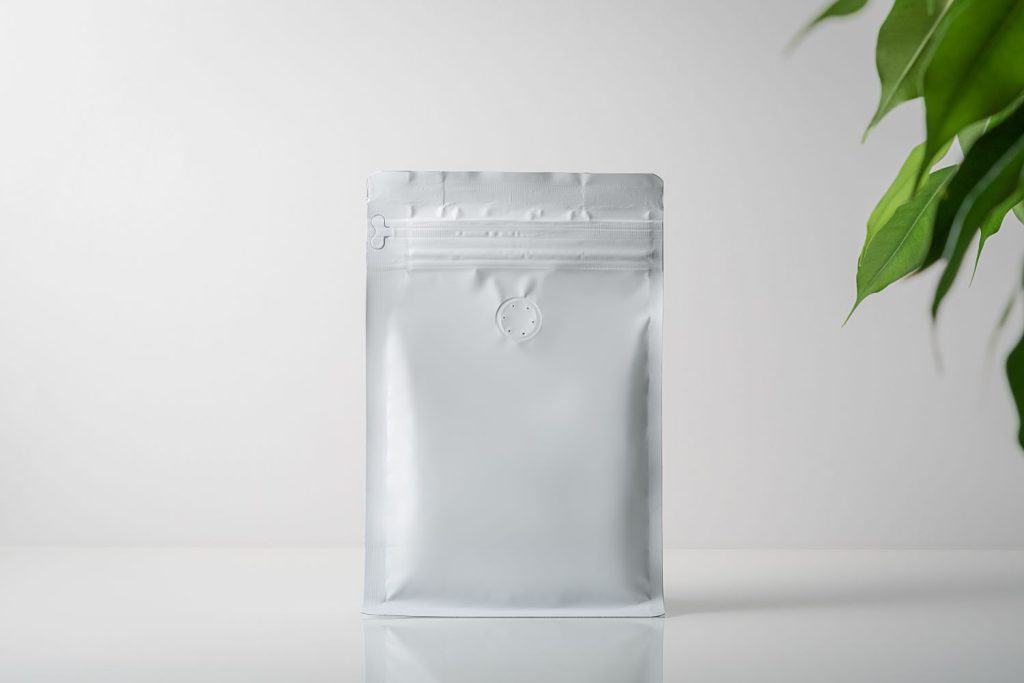
Spout pouch suppliers play a pivotal role in product presentation, shelf life, and user experience for everything from baby food to industrial liquids. We’ve worked with brands at every stage, startups testing SKU viability and global companies scaling millions of units, and we know that picking the right supplier can make or break a launch. In this guide we walk through what spout pouch suppliers do, the technical choices they offer, how pricing works, and the practical supplier evaluation, sustainability, and logistics considerations you should use when selecting a partner.
What Spout Pouch Suppliers Do and Why They Matter
Spout pouch suppliers design, manufacture, and often supply the components (spouts, caps, zippers) and finished pouches that hold liquid, semi-liquid, and pourable products. Their services commonly include: product design support, material selection, printing and finishing, pouch forming, spout insertion, quality testing, and logistics. Good suppliers aren’t just vendors: they’re technical partners who help translate product requirements (viscosity, shelf life, fill-line speed, market regulations) into a packaging solution that protects the product and the brand.
Why they matter: a spout pouch is both a functional element, affecting leak rates, barrier performance, and fill-line efficiency, and a marketing surface for shelf impact. A poor choice can lead to leaks, failed run rates, or packaging that can’t be recycled in target markets. Conversely, the right supplier reduces quality incidents, shortens time-to-market, and may even lower overall cost through material optimization and improved fill efficiency. We always treat supplier selection as a cross-functional decision involving R&D, operations, procurement, and marketing.
Common Spout Pouch Types, Materials, and Construction Options
Spout pouches come in several shapes and constructions tailored to product type, presentation, and production equipment. The common types include stand-up pouches with bottom gussets, flat pouches, three-sided seal pouches, and doy packs with integrated spouts. Construction typically involves laminated layers for barrier, print, and sealability.
Key Quality Standards, Certifications, and Compliance Requirements
Food and beverage pouches usually require compliance with FDA (in the U.S.) or EFSA (in the EU) regulations for food contact materials. Suppliers should provide Declaration of Compliance (DoC), migration test results, and certificates for materials. For goods sold in regulated markets, look for ISO 9001 for quality management and, where relevant, BRC Packaging or FSSC 22000 for food safety management. Child-resistant or tamper-evident closures have additional regulatory and test requirements.
Material Options and Their Pros/Cons (PE, PET, Aluminum Foil, Biodegradable Films)
- PE (Polyethylene): Good sealability and flexibility: low cost: limited barrier for oxygen or light, often used as the inner sealant layer.
- PET (Polyethylene Terephthalate): Excellent print surface and mechanical strength: commonly used as an outer printable layer.
- Aluminum foil: High barrier to oxygen and light: ideal for long shelf-life products but can hinder recyclability and increase cost.
- Biodegradable/Compostable Films (PLA, PBAT blends, etc.): Growing in demand for sustainability claims: variable barrier properties and higher cost: need careful compatibility checks for heat seals and aroma-sensitive products.
Each material choice is a tradeoff among barrier performance, cost, recyclability, and printability.
Closure Types, Spout Styles, and Fill Compatibility
Closures range from screw caps to flip caps, child-resistant caps, and tamper-evident designs. Spouts differ by diameter, material (PE, PP), and insertion method (pre-formed spout welded in vs. post-fill insertion). Viscous products need larger-diameter spouts: carbonated or pressurized contents require specialized venting or valve spouts. Always verify fill compatibility: hot-fill, cold-fill, aseptic, or retort processes each impose unique constraints on spout and pouch construction.
Printing, Lamination, and Barrier Performance Considerations
Printing options include rotogravure, flexographic, and digital. Rotogravure gives higher quality at scale but needs higher up-front costs: flexo is more cost-effective for moderate runs: digital is ideal for shorter runs or variable data. Lamination (solvent-based, solventless, or extrusion) determines barrier integrity and recyclability. Barrier performance should be validated by oxygen transmission rate (OTR) and water vapor transmission rate (WVTR) testing relevant to the product’s shelf-life targets.
How Suppliers Price Spout Pouches: Cost Drivers to Expect
Understanding supplier pricing helps us plan budgets and negotiate smarter. Suppliers set price based on a combination of fixed costs (tooling, plates, setup) and variable costs (materials, printing inks, spouts, labor). Here are the main drivers to expect.
Minimum Order Quantities, Tooling Charges, and Unit-Cost Breakpoints
Most manufacturers require minimum order quantities (MOQs) to justify setup. MOQs vary widely, small digital runs may have MOQs in the low thousands: traditional gravure runs may require tens of thousands. Tooling or plate charges are one-time setup fees: they can be modest for flexo but substantial for gravure. Unit costs typically fall at volume breakpoints: doubling volume often reduces unit cost by 10–30% depending on material and print complexity.
Artwork, Printing Runs, and Variable Data Costs
Complex artwork with many colors or special effects (metallics, varnish, embossing) increases print costs. Variable data (lot codes, serial numbers, recipe variations) often adds cost depending on the printing method, digital handles variability cheaply: gravure needs extra setup for changeovers.
Add-Ons: Spouts, Caps, Zippers, Anti-Counterfeit Features, and Their Impact on Price
Every add-on carries incremental cost. Standard spouts and caps are relatively inexpensive at scale, but tamper-evident, child-resistant, or anti-counterfeit features (holograms, RFID tags) significantly raise per-unit price. Zippers for resealability add material and insertion costs. When budgeting, model both unit cost and the logistics of stocking multiple component SKUs.
Selecting the Right Supplier: Evaluation Checklist and Red Flags
We approach supplier selection with a checklist that combines technical capability, quality systems, commercial terms, and cultural fit. Below are the elements we verify and the warning signs we watch out for.
Capabilities to Verify: In-House Printing, Forming, Filling Support, and R&D
Prefer suppliers with in-house printing and pouch forming because that reduces quality handoffs and improves lead time control. If we need fill-line integration support, we look for partners experienced in spout insertion methods and who can provide samples for line trials. In-house R&D or packaging engineers is a big plus: they help optimize material, spout placement, and pouch geometry for our product.
Quality Control Processes: Samples, Lab Testing, and Batch Traceability
Ask for sample packs, accelerated shelf-life data, and lab test certificates (OTR, WVTR, seal strength). A robust supplier will offer batch traceability, incoming raw-material checks, and documented corrective action procedures. Red flags include reluctance to provide test data, inconsistent sample quality, or poor documentation.
Supplier Reliability: Lead Times, Capacity, Communication, and References
Verify typical lead times, seasonal capacity constraints, and average on-time delivery performance. Good communication, timely responses, clear change orders, and regular production updates, often separates reliable suppliers from risky ones. We also ask for references from customers with similar product types and scale.
Sustainability and End-of-Life Considerations When Choosing Suppliers
Sustainability is increasingly central to supplier selection. We balance environmental goals with functional needs, sometimes a recyclable pouch isn’t feasible without sacrificing barrier properties.
Recyclability, Compostability, and Take-Back Programs
Recyclable mono-material pouches (e.g., PE mono-layers) are easier to recycle in existing streams but may not offer the barrier of multi-layer laminates. Compostable films suit certain markets but require certified industrial composting infrastructure: home-compostable options are still limited for high-barrier needs. Some suppliers offer take-back or mail-back programs to manage end-of-life: these can be effective but add logistics complexity and cost.
Certification Labels and Supply-Chain Transparency to Request
Ask suppliers for certifications like ASTM standards for compostability, ISCC for bio-based feedstocks, and chain-of-custody documentation for recycled content (e.g., GRS, PCR certificates). Request a bill of materials and supplier maps for key inputs to evaluate supply-chain transparency and risk.
Logistics, Packaging, and Inventory Management Best Practices
Beyond the pouch itself, how suppliers pack, palletize, and ship affects landed cost and warehouse efficiency. We align logistics with production cadence to avoid stockouts or excess inventory.
Packaging, Palletization, and Shipping Cost Optimization
Compact nesting of flat pouches and optimized carton design reduce shipping volume and cost. Standardize pallet patterns and use stretch-film optimization to lower freight damage and charges. Consolidated shipments and vendor-managed inventory (VMI) can reduce per-unit freight cost when volume justifies it.
Inventory Strategies: Safety Stock, Consignment, and JIT Options
We tailor inventory strategies to product risk. For high-volume, stable SKUs we use JIT deliveries and smaller safety stocks. For new SKUs or long lead-time materials, we maintain safety stock or negotiate consignment stock with the supplier. Consignment shifts inventory carrying cost to the supplier and can be negotiated as part of pricing for larger commitments.
Working With Suppliers: Samples, Trials, Contracts, and Scale-Up
Practical collaboration with a supplier de-risks scale-up and ensures fill-line compatibility.
How to Run Pilot Runs and Assess Fill-Line Compatibility
Start with bench and lab testing of sample pouches, then move to small pilot runs on the actual fill line. We measure leak rates, cycle speed, spout stability, and customer-facing attributes (pour rate, resealability). Collect quantitative metrics (parts per million defects, changeover time) to inform acceptance criteria.
Negotiating Contracts, Lead Times, and Quality Agreements
Contracts should lock in price bands, lead times, MOQ terms, and penalties for missed SLAs. Include quality agreements that specify sample retention, acceptance tests, and warranty/recall procedures. Build in flexibility for material substitutions and clear processes for change control to avoid surprises during scale-up.
Conclusion
Choosing spout pouch suppliers requires technical rigor and pragmatic commercial judgment. We recommend starting with clear product requirements, barrier, fill process, target shelf life, and sustainability goals, then vetting suppliers on capability, quality systems, and communication. Negotiate pilot runs and quality agreements before committing to large MOQs, and weigh lifecycle impacts alongside unit cost. With the right partner, spout pouches become a competitive advantage, protecting product performance, reducing waste, and delivering the brand experience customers expect.